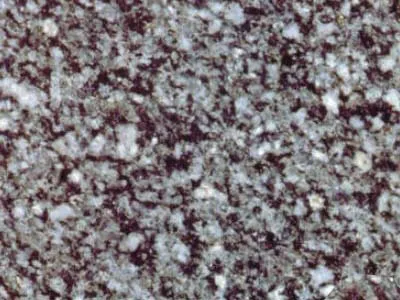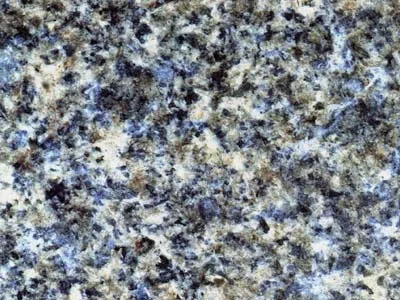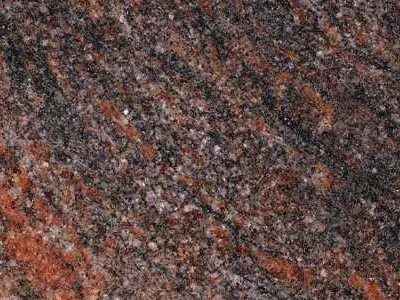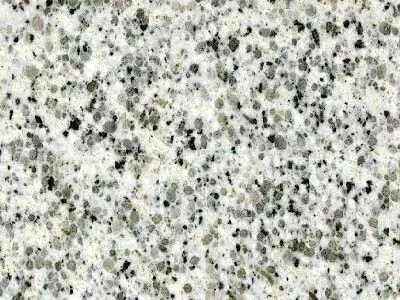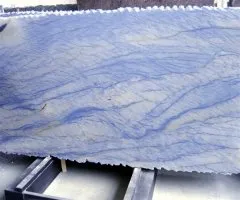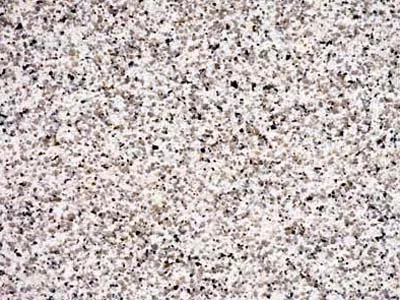
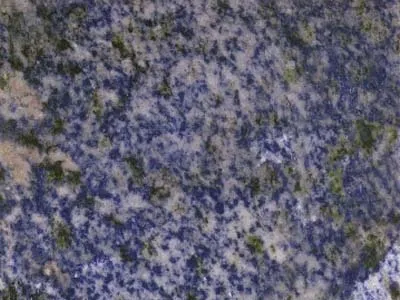
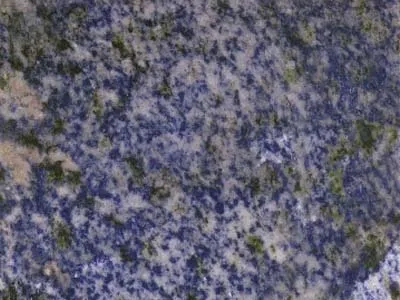
Azul Bahia is a striking blue granite quarried in Brazil, renowned for its vivid sodalite crystals set in a medium‑to‑coarse granular matrix. The stone displays a deep, uniform blue background with occasional lighter speckles, giving it a sophisticated, almost metallic appearance. Its robust nature makes it ideal for both interior and exterior applications such as flooring, wall cladding, countertops, and outdoor paving. Preferred finishes are polished for a high‑gloss look or honed for a subtle matte effect. Marmi di Carrara supplies Azul Bahia in blocks and 2‑3 cm thick slabs, cut‑to‑size, with real‑time photos of each slab before purchase.
Petrographic description
Syenite with medium to coarse grain size, containing intense blue sodalite.
Azul Bahia is a Granite quarried in Brazil, catalogued in the Marmi di Carrara atlas under the international reference ICBRGR00567. Its dominant tone is blue, with medium to coarse grain.
Like every granite, it is supplied as raw blocks, gangsaw slabs in 2 and 3 cm and cut-to-size pieces made in our Carrara plants. Recommended finishes: polished, honed, flamed, bush-hammered, leathered. Typical applications: kitchen worktops, exterior cladding and paving, stairs, monuments, high-traffic floors.
Availability varies with the quarry campaigns: before quoting we check current stock, block sizes and the selection grade, and we send photos of the actual slabs. Price and transport are confirmed by our technical office within one working day.
Azul Bahia stone: the complete guide
Overview
Azul Bahia is a Brazilian stone of intense blue with white and golden veins, among the rarest and most precious in the world. A material for one-of-a-kind pieces.
History and origin
It is quarried in the state of Bahia, Brazil, from limited deposits. It is not a marble but an igneous rock rich in sodalite, the mineral responsible for the blue. Its rarity and colour make it one of the most exclusive materials in interior design. Marmi di Carrara supplies it on request.
Appearance
A deep blue background with white, grey and sometimes ochre veins and patches. Every slab is unique; polished the blue becomes brilliant.
Uses
Table and console tops, washbasins, feature walls, luxury bathrooms, bars and receptions. Often used in small quantities as a statement element.
Care and maintenance
Neutral detergents and a soft cloth. Harder than marble, it withstands use well but should be protected with a stain-proof sealer on tops. Avoid aggressive products that dull the polish.
- Classification
- Igneous rock (sodalite)
- Density
- about 2,700 kg/m³ (indicative)
- Mohs hardness
- about 5.5–6
- Water absorption
- very low
- Main use
- interiors
- Acid resistance
- medium
FAQ
Is Azul Bahia suitable for outdoor use?
Granite: excellent for façades, paving and stairs in any climate. Tell us the climate and exposure of the project and we will recommend the right finish and thickness.
What is the price of Azul Bahia per m²?
Indicative price from €950/m² for polished 2 cm slabs ex works Carrara, VAT excluded. The final figure depends on selection, block size, finish and quantity; a personalised quote is free.
How is Azul Bahia shipped from Italy?
Slabs travel in wooden A-frames inside 20-foot containers (about 25 tonnes); blocks ship loose or in open-top containers. We quote FOB, CIF or door-to-door to any port or site.